
REVIEW · RINJANI TREKKING
Mt Rinjani Trekking 4 Days and 3 Nights
Rinjani rewards early mornings. This Lombok trek is built around crater rim camping and local guides who manage the tricky timing, and the best reviews specifically name guides like Dani and Mul for keeping things calm when the climb gets steep.
I love that the days connect iconic spots to real recovery time. You’ll hit waterfalls like Sendang Gile and Tiu Kelep, then later you get time at Segara Anak lake and the hot springs to soak after the hard effort.
One thing to watch: the gear list is a bit inconsistent, so items like a headlamp, trekking shoes, and a trekking jacket are marked as not included in the fine print. Plan to confirm before you go, and pack warm layers because nights at the rims can feel cold.
In This Review
- Key highlights worth knowing
- Mt Rinjani 4D3N in plain terms: what $469 is really buying
- Sembalun and Senaru crater rim camping: why sleeping high changes the whole trip
- Day 1: Sendang Gile and Tiu Kelep waterfalls, then your first crater rim camp
- Day 2: starting from Sembalun, working toward Lake side nights
- Day 3 summit push to Mount Rinjani peak, then Segara Anak lake and hot springs
- Day 4: slow lake side time, then the Senaru Crater rim finish zone
- Day 5: staying on the Senaru Crater rim and ending the trek
- Gear and packing: what’s included, what’s not, and what you should bring anyway
- Food, water, and the pace of a 4D3N camping trek
- Guides and porters: why the names Dani, Hadie, Mul, Edy, and Irsyad keep showing up
- Value check: timing, inclusions, and how to judge the $469 price
- Who this Mt Rinjani 4D3N tour fits best
- Should you book this Mt Rinjani 4D3N with HaLoMi Trekker?
- FAQ
- Where is this Mt Rinjani trek located?
- How long is the Mt Rinjani 4-day, 3-night trek?
- What time does the trek start?
- What are the main experiences during the trek?
- Are meals and water included?
- Is hotel pickup and drop-off included?
- Is there a vegetarian option?
- Do I need to bring a headlamp and trekking shoes?
Key highlights worth knowing
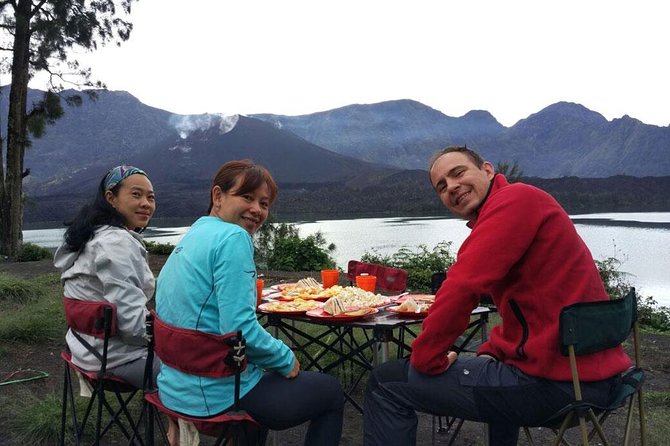
- Camping on two crater rims (Sembalun Crater rim, then Senaru Crater rim), with sunset views built into the rhythm
- Waterfall timing on Day 1: Sendang Gile and Tiu Kelep are only possible if you arrive at least 2 hours before sunset
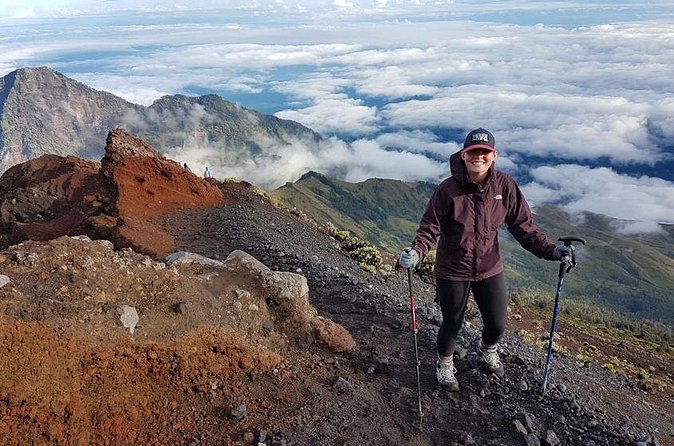
- Summit effort on Day 3: you’ll push to the peak, then continue down to Segara Anak
- Hot springs and lake time: you can swim in the lake or soak in the spring water after the descent
- Guides and porters matter: named guides like Hadie, Edy, and Irsyad are praised for pacing, organization, and safety
- Gili Island bonus transfer after the trek, so you can roll from volcano to beach faster
Mt Rinjani 4D3N in plain terms: what $469 is really buying
This is a classic Mount Rinjani camping trek: you climb up, sleep out on the crater rim and lake areas, and get multiple big wow moments instead of just a one-night summit dash. The price sits at $469 per person, and what you’re paying for is not just guiding. You’re also paying for porters, a full food plan, and the camping setup plus cooking gear.
The tour is private for your group, which usually means fewer pacing headaches than big shared departures. You also get hotel pickup and drop-off, plus a schedule that aims to cover the major sights without you needing to figure out transport between trekking zones.
What I appreciate most is that your daily logistics are mostly handled for you: local guide, local porters, cooking gear, and meals. The one practical area you should verify is personal gear, since the details provided say both that some trekking gear is included and that key items are not included.
Other Rinjani trekking worth a look in Tetebatu:
- Mt Rinjani Trekking 2 Days 1 Night (Senaru Crater Rim)
★ 5.0 · 85 reviews - Mount Rinjani 2 Days 1 Night Senaru Crater Rim
★ 5.0 · 131 reviews - Mount Rinjani Trek 3D-2N To Summit – Lake – Hotspring
★ 4.7 · 111 reviews
Sembalun and Senaru crater rim camping: why sleeping high changes the whole trip
The two camp bases are the heart of this trek. You’ll spend nights at the Sembalun Crater rim and the Senaru Crater rim, and that alone makes the experience feel different from standard multi-day hikes that only camp in forests.
Crater rim camping does three things for you. First, it simplifies the route because the next day’s hike starts from high ground. Second, it gives you those dramatic sunset and early-morning views that are hard to get if you’re constantly relocating. Third, you get that full-mountain feeling, open sky above you, volcanic terrain under you, and cooler air at night.
The trade-off is that you’ll want to take cold seriously. Even if the days feel manageable, rim camping can be chilly after sunset. Since long pants and trekking jackets are listed as not included, I’d plan to bring proper warmth, not just a light layer.
Day 1: Sendang Gile and Tiu Kelep waterfalls, then your first crater rim camp
Day 1 includes a quick waterfall detour: Sendang Gile and Tiu Kelep. It’s short, about 30 minutes, and admission tickets are included, but the timing rule is strict. The info says these are only possible if you arrive by at least 2 hours before sunset.
That timing matters because it affects your energy. If you show up late, you risk missing this stop. If you arrive on time, you get a fun first hit of scenery and a morale boost before the first night outdoors.
After the waterfall time, you move into the main rhythm: camp on the Sembalun Crater rim. This sets you up for an earlier trek start on the next day and helps you acclimate to the overall altitude feel of the route.
Day 2: starting from Sembalun, working toward Lake side nights
Day 2 is where the trek turns from sightseeing to movement. You’ll start the trekking from the main area after camp, and your goal becomes reaching the lake side to spend the night.
This is the day that many hikers end up feeling, even if they don’t realize it at the time. You’ll be spending long hours walking across volcanic terrain, and that’s the point where your pacing becomes your superpower. A guide who keeps you steady can make a huge difference, and the reviews you provided consistently praise guides for pacing and safety.
One practical note: the tour includes waters, and water availability is always a big deal on volcanic climbs. The included plan lists 3 liters of water per day, which helps you avoid the common problem of having to ration too early.
A few more Tetebatu trips to compare
- Bali: Sunrise Mount Batur Guided Hike with Breakfast
★ 4.8 · 9,660 reviews
Day 3 summit push to Mount Rinjani peak, then Segara Anak lake and hot springs
Day 3 is the heavy day. It starts with the push to Mount Rinjani peak, described as a fight up to the top, and then you head down to the Segara Anak area. The summit time isn’t long, but the effort is real, and your guide’s pace and timing matter more than speed.
Once you finish the descent, you get the reward portion of the day: Segara Anak lake and the hot springs. The schedule includes a long block of time here, around 10 hours. You can swim at the lake or soak at the hot springs, and this is one of those moments where the trek stops feeling like suffering and starts feeling like a story you’ll remember for years.
I also like how this day sets you up for the right kind of recovery. The lake side night means you’re not sprinting straight into a new zone right away. It’s downtime after exertion, and it’s what makes the last two days more enjoyable.
Day 4: slow lake side time, then the Senaru Crater rim finish zone
Day 4 gives you a breather first. There’s time to stay relax for a few hours at the lake side, which is a smart design. After summit day, your legs need that decompression time, and it also lets you soak in the crater lake views without rushing.
Then you continue to the Senaru Crater rim. The tour info calls Senaru one of the best places to see Segara Anak lake, and that matches how most hikers experience it: you see more of the bigger picture when you’re positioned on a rim with wide lines of sight.
After that, you camp again on the Senaru side. This matters because it turns Day 5 into a calm finish rather than another hard push immediately after a long day.
Day 5: staying on the Senaru Crater rim and ending the trek
On the final day, you remain at the Senaru Crater rim and finish the trek. That works well for two reasons. You’re not trying to rush during the last hours, and you get one more chance to take in the lake views and surrounding nature before the experience ends.
There’s also something psychologically satisfying about ending at a rim. It feels like a natural bookend, high with the sky open, instead of finishing deep in a valley and immediately transitioning to normal city life.
Gear and packing: what’s included, what’s not, and what you should bring anyway
Your tour includes camping equipment and cooking gear, which is great if you don’t want to rent everything locally. The included list also notes headlamps and small backpacks are not included along with trekking shoes and a trekking jacket, even though the overview text says necessary equipment like these are included.
So here’s the practical approach: treat the fine print as truth until you confirm. I’d pack or rent these items personally:
- Headlamp or hand torch
- Day pack or small backpack
- Trekking shoes
- Trekking jacket
- Long pants or trousers
The tour also lists tips for guides and porters as not included. If you want to budget for that, I’d do it before you arrive, not at the end when you’re tired.
Finally, don’t forget weather reality. Even in tropical Indonesia, rim camping at altitude means you can feel cold after dark. Bring layers that you can walk in during the day and comfortably wear at camp.
Food, water, and the pace of a 4D3N camping trek
Food is handled in a way that makes the trek more doable. The plan includes full-board meals and drinks, with 4 breakfasts, 4 lunches, and 4 dinners, plus snacks and coffee and/or tea. You also get bottled water in the amount listed as 3 liters a day.
That’s not just comfort, it’s logistics. When you don’t have to plan meals or hunt for refills, you can focus on walking, breathing, and recovering.
One small but helpful thing: the cooking gear is included, so you’re not eating only cold food. Hot meals matter on a long mountain day, especially when temperatures drop at night.
Guides and porters: why the names Dani, Hadie, Mul, Edy, and Irsyad keep showing up
The highest praised aspect across the experiences you shared is the people doing the hard work behind the scenes. Guides like Dani, Hadie, Mul, Edy, and Irsyad are repeatedly credited for safety, organization, and keeping the group moving at the right rhythm.
Here’s what that usually looks like in real life:
- They manage timing so you get to key viewpoints and activities without panic.
- They handle pace when the climb gets tiring, which helps you avoid burning out too early.
- They coordinate with porters so luggage moves efficiently, so you can hike with less stress.
You also mentioned porter teams praised for cooking and for moving belongings quickly. That’s a big deal on a multi-day camp trek, because fast, reliable porter support keeps camp operations smooth and helps the guide spend more time looking after hiking safety.
If you want the most out of a summit trek, pick one where the guide quality is part of the deal. This one clearly treats the guide and porter team as core to the experience, not as an afterthought.
Value check: timing, inclusions, and how to judge the $469 price
Let’s talk value in a grounded way. At $469, you’re getting:
- hotel pickup and drop-off
- local guide and porters
- full-board meals, coffee/tea, and snacks
- camping equipment and cooking gear
- 3 liters of water a day
- admissions included for the waterfall stop
- and a bonus boat transfer to Gili Island after the trek
What you’re not paying for includes several items you’d likely need anyway, like a headlamp, trekking shoes, and a trekking jacket. Tips are also not included.
So is it a good deal? For me, yes, if you want a packaged experience where meals, camp setup, and porter support are handled. If you already own all the gear and you love DIY planning, you might find cheaper options. But you would still have to replicate guide coordination, camp logistics, and food planning. That’s the part you’re effectively buying here.
One more value factor is the route design. Spending nights on Sembalun and Senaru crater rims plus the lake side makes the trek feel like it has shape. You’re not just passing through; you’re based in places that give you meaningful views and recovery.
Who this Mt Rinjani 4D3N tour fits best
This trek is a good match if you want a real volcano adventure without turning it into a complicated project. The info says most travelers can participate, and the structure suggests a guided pacing style rather than a test of pure independence.
You’ll likely enjoy it most if you:
- like early starts and early-morning effort
- want both summit views and time at Segara Anak lake
- prefer camping with meals provided instead of carrying everything yourself
- appreciate guided safety and organized timing
You should think twice if you hate cold nights, or if you’re not willing to confirm and bring key personal gear. The summit day effort is not described as easy, and the schedule expects you to keep up across multiple long trekking hours.
Should you book this Mt Rinjani 4D3N with HaLoMi Trekker?
I’d book it if you want an organized, high-touch Mount Rinjani camping trek that covers the major highlights, not just a single summit push. The combination of crater rim camping, waterfall timing, summit effort, and Segara Anak lake plus hot springs is a strong mix for a 4-day active trip.
Book it sooner rather than later if you’re also planning Gili Island afterward, because the tour includes a free bonus boat transfer to Gili Island after the trek. That can save time and reduce friction when you want to switch from volcano to beach.
Do a quick final check before paying: confirm the gear details (headlamp, shoes, jacket, and daily pack), and be sure you’re ready for the early start at 5:00 am. One last practical note: the experience is listed as non-refundable and cannot be changed, so treat booking dates seriously.
FAQ
Where is this Mt Rinjani trek located?
The trekking experience is in Lombok, Indonesia.
How long is the Mt Rinjani 4-day, 3-night trek?
It runs for about 5 days in total, with 4 days of trekking and 3 nights (4D3N).
What time does the trek start?
The meeting start time is 5:00 am.
What are the main experiences during the trek?
You’ll visit Sendang Gile and Tiu Kelep Waterfall on Day 1, camp at the Sembalun Crater rim, climb Mount Rinjani to reach the peak, then go to Segara Anak Lake and the hot springs. You’ll also spend nights on the lake side and at the Senaru Crater rim.
Are meals and water included?
Yes. The package includes full-board meals and drinks, with 4 breakfasts, 4 lunches, 4 dinners, snacks, coffee and/or tea, and waters (3 liters a day).
Is hotel pickup and drop-off included?
Yes, hotel pickup and drop-off are included.
Is there a vegetarian option?
Yes, a vegetarian option is available. You need to advise at booking.
Do I need to bring a headlamp and trekking shoes?
The provided details are split: the overview says key gear is included, but the not included list specifically mentions head lamp/hand torch, small backpack/daily pack, trekking shoes, and a trekking jacket. You should confirm what you will actually receive, and plan on bringing or arranging these items if needed.
Just added around Tetebatu
- Lombok: Tetebatu Walk, Waterfall, Monkey Forest & Cooking★ 5.0 · 7 reviews
- Tetebatu: Waterfalls, Spices, Rice Terrace, Monkey forest★ 4.9 · 55 reviews
- Mt Rinjani Trekking 2 Days 1 Night (Senaru Crater Rim)★ 5.0 · 85 reviews
- Tetebatu: Rice Fields, Waterfall, & Monkey Forest Day Tour★ 4.9 · 170 reviews
Rinjani Trekking, compared.
Mount Rinjani 2 Days 1 Night Senaru Crater Rim
Read our review →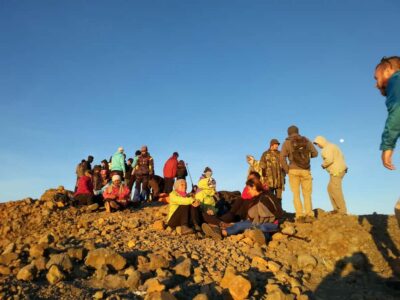
Mount Rinjani Trek 3D-2N To Summit – Lake – Hotspring
Read our review →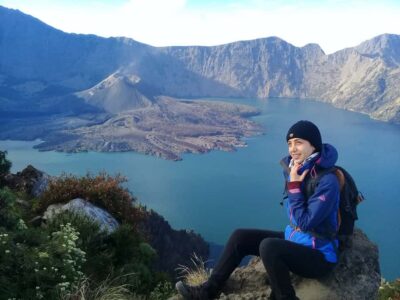
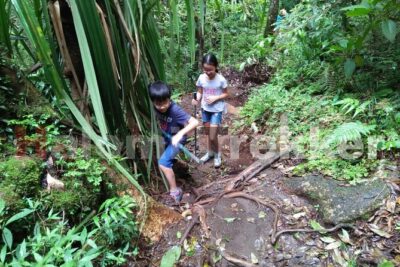
Mt Rinjani Trekking 2 Days 1 Night (Senaru Crater Rim)
Read our review →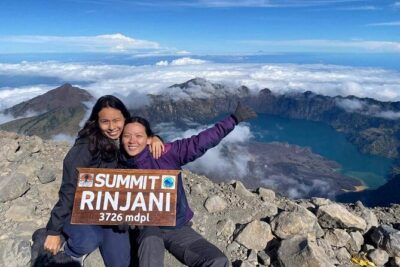
Rinjani Trekking Three Days Two Night Summit Lake
Read our review →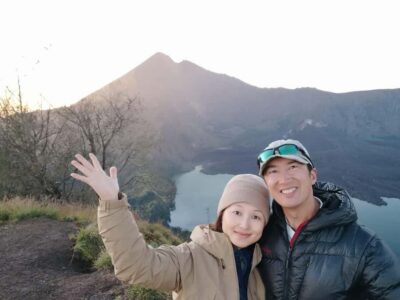
Mount Rinjani Trekking 2D/1N Summit Sunrise & Sunset Views
Read our review →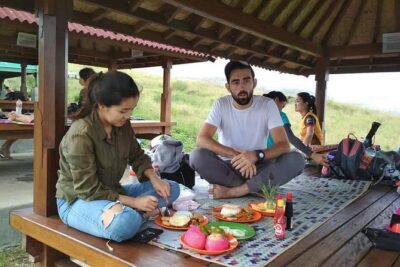
Mount Rinjani Hiking to summit( 2 Days 1 Night )
Read our review →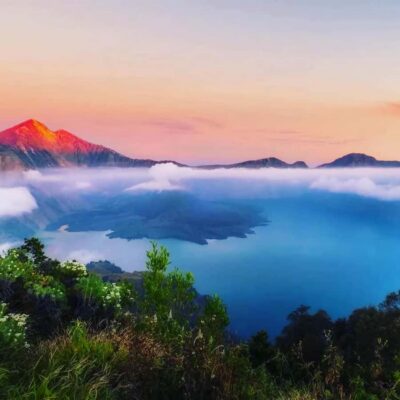
Browse the lists this tour appears in