
REVIEW · BATIK & CRAFT WORKSHOPS
Lombok Traditional Pottery Experience and Village life
Hands-on pottery beats souvenir shopping. This Lombok traditional pottery experience pairs Sasak artisan guidance with real village life, so you’re not just watching craft, you’re using your hands. I especially like the cook-and-eat rhythm that turns the day into more than a studio demo.
One heads-up before you book: your clay creation needs time to dry and fire, so you will not have a finished fired piece in your hands on the spot. Shipping comes into play after the workshop.
In This Review
- Key things you’ll remember most
- Lombok Sasak pottery and village life, what the day feels like
- Getting to Dawa Pottery Studio and finding your way fast
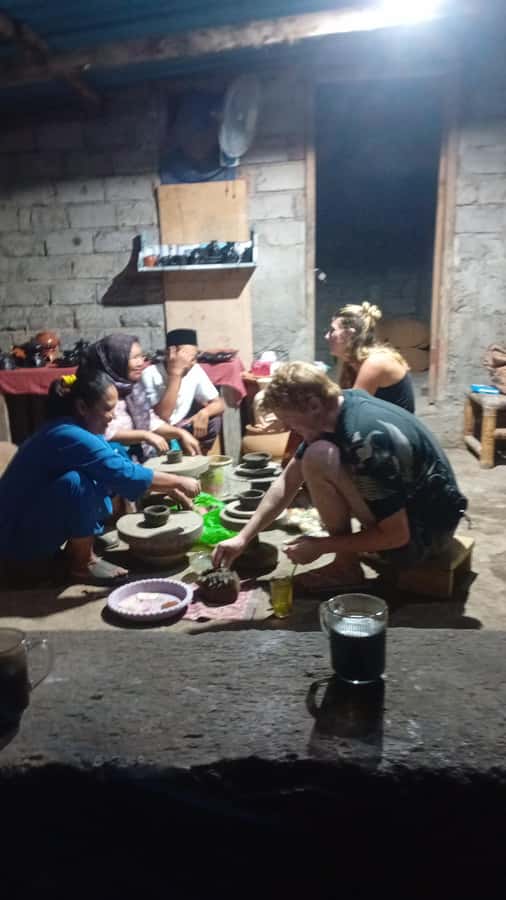
- The pottery workshop: shaping clay with Sasak artisans
- Design time and why your piece matters
- The village kitchen after pottery: cooking and eating together
- Coffee, chatting, and the human side of Sasak life
- Price and value: what $21 gets you (and why it’s fair)
- Drying, firing, and shipping: how you take your pottery home
- What to wear, what to bring, and what to skip
- Who should book this pottery and village life experience
- Quick tips so you get the most out of your 2 hours
- Should you book Lombok Traditional Pottery and Village life?
- FAQ
- How long is the Lombok Traditional Pottery Experience?
- Where do I meet for the workshop?
- Is hotel pickup included?
- Can I take my pottery home?
- Do I need any prior pottery experience?
- What should I bring and wear?
- Is it suitable for vegetarians?
- Is it wheelchair accessible?
Key things you’ll remember most
- Real Sasak village warmth, not a staged classroom vibe
- Hands-on pottery time with step-by-step help for beginners
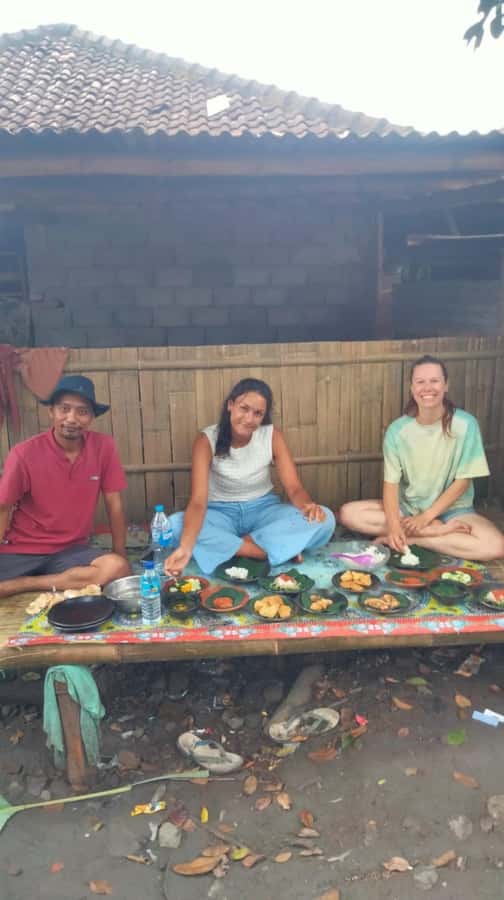
- Cooking with family members and eating what you helped prepare
- Take-home pottery, shipped after drying and firing so it arrives intact
- Village snacks and coffee/tea chats that add context to the craft
- A small-group, friendly pace, including laughs even when English isn’t the only language
Lombok Sasak pottery and village life, what the day feels like
This is the kind of activity that makes you slow down. You start at a pottery studio, then you get pulled into a real village rhythm where craft, food, and family conversation all belong together.
The workshop is designed for beginners. You do not need prior art skills. You do need the willingness to get a little messy, because clay is clay and cooking is cooking.
What makes this experience different is the blend of two worlds. First you learn pottery-making using traditional techniques passed along through the Sasak community. Then you step into the kitchen side of village life, where the meal you eat has the same hand-made, local feel as the pottery you made.
More Craft workshops in Indonesia:
- Yogyakarta: 2-hour Batik Making Course with Souvenir
★ 4.9 · 304 reviews - 3 Hours Batik Making Classes in Ubud
★ 5.0 · 203 reviews - Ubud: 3-Hour Batik Making Class
★ 4.7 · 178 reviews
Getting to Dawa Pottery Studio and finding your way fast
Your starting point is Dawa Pottery Studio on dusun adong. Look for a sign that says Dawa Pottery, and it’s across from an Alfamart alley, which makes it easier to spot if you’re navigating on your own.
There’s no hotel pickup listed, so plan to get yourself to the meeting point. If you’re traveling with limited local navigation skills, leave yourself extra time, because a 5 minute delay can turn into a 30 minute scramble in a smaller village area.
Once you arrive, you’ll likely feel the shift right away: people are friendly, the atmosphere is relaxed, and the day moves at a village pace, not a factory schedule.
The pottery workshop: shaping clay with Sasak artisans
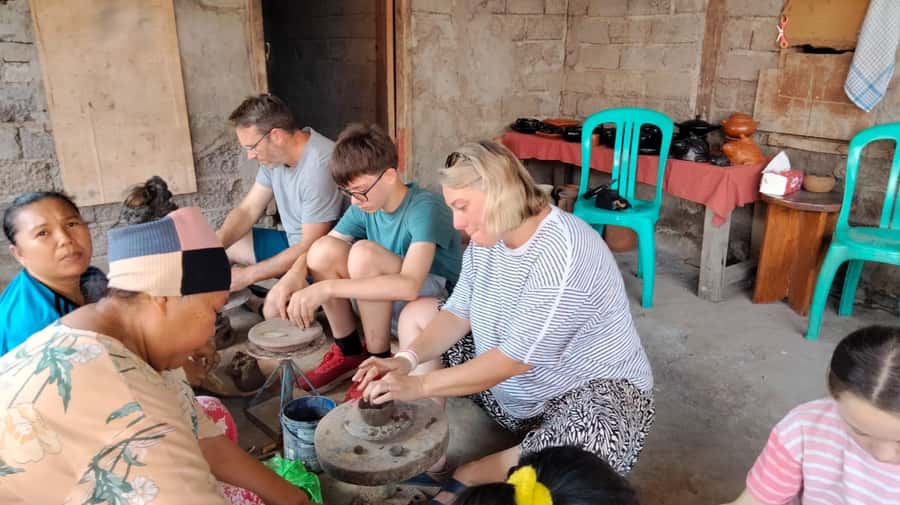
You’ll spend the main part of your time in the pottery area learning how to work clay step by step. The workshop style is practical. You’ll be shown what to do, then you do it, with guidance in English/Indonesian.
Even though you’re making something personal, the process is still grounded in tradition. That’s the point. You learn how to shape and smooth clay using simple tools, and you add design details in a way that fits what the local craft tradition expects.
A few things to expect in your hands-on time:
- You’ll form clay into a piece that could be practical and decorative at the same time.
- You’ll learn basic shaping and smoothing techniques, which is where the learning happens fast.
- You’ll add your own touch, so the final item looks like it came from you, not a copy-paste souvenir.
In the helpful reviews, people mention making multiple clay items, like two to four pieces depending on how the session flows. You might end up with more than one finished form ready for drying, which is a bonus if you’re hoping to take home gifts too.
Design time and why your piece matters
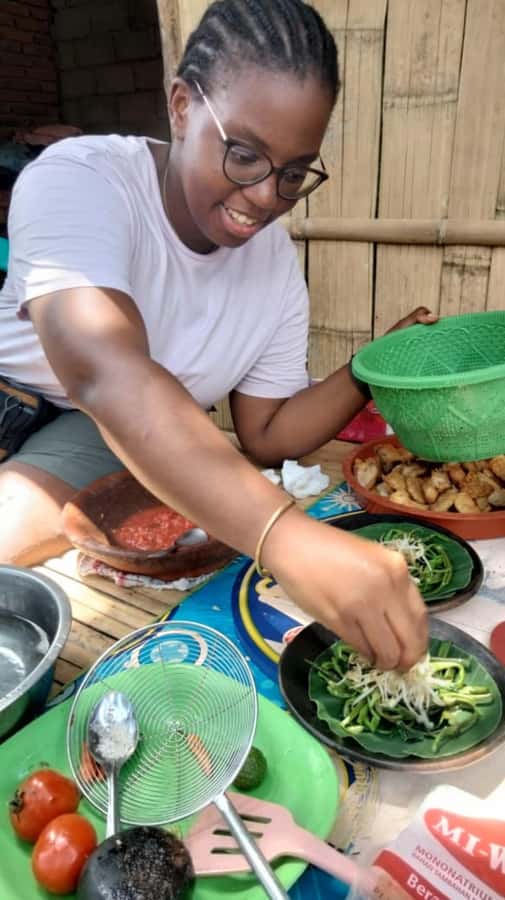
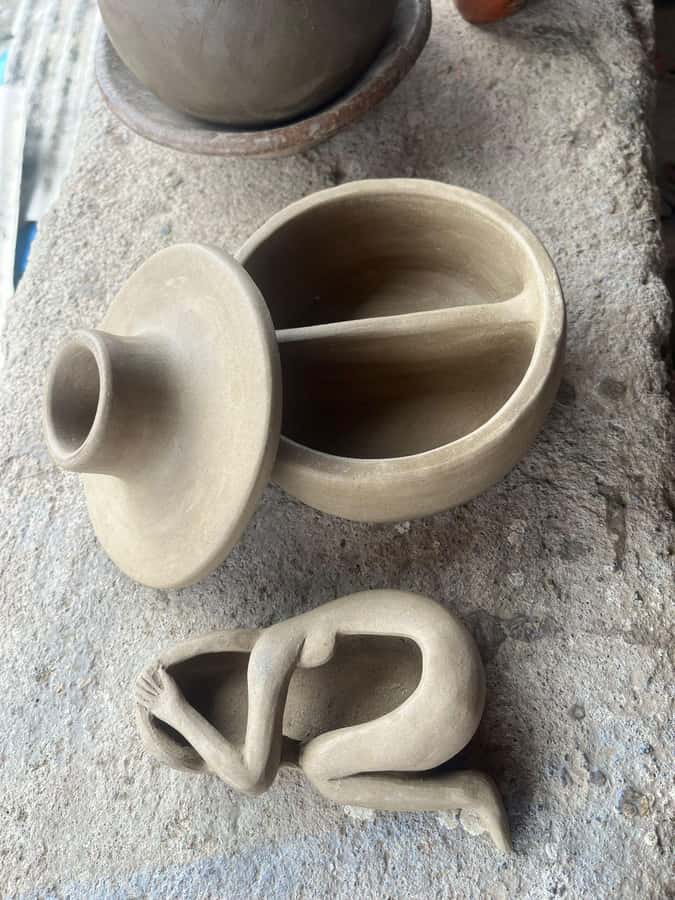
This part is easy to overlook if you only think about the finished ceramic. But your time shaping and designing is where the cultural value lands.
You get to add your personal touch. That might be a pattern, a shape choice, or a detail you’re encouraged to try. The guidance is there to help you make something you’ll be comfortable claiming as your own.
And there’s a quiet payoff to making something physical in a place where people treat craft as normal life. It changes the way you see what you’re doing. Instead of consuming a product, you’re contributing your effort to a tradition that already exists.
If you’re the kind of person who likes learning by making, this is a strong fit.
Another side of Indonesia:
- All-Inclusive Ubud Private Tour
★ 5.0 · 14,344 reviews - Bali: Sunrise Mount Batur Guided Hike with Breakfast
★ 4.8 · 9,660 reviews - Bali: Mount Batur Sunrise Guided Hike and Natural Hot Spring
★ 4.8 · 9,284 reviews - Best of Ubud Full-Day Tour with Jungle Swing
★ 5.0 · 8,571 reviews
The village kitchen after pottery: cooking and eating together
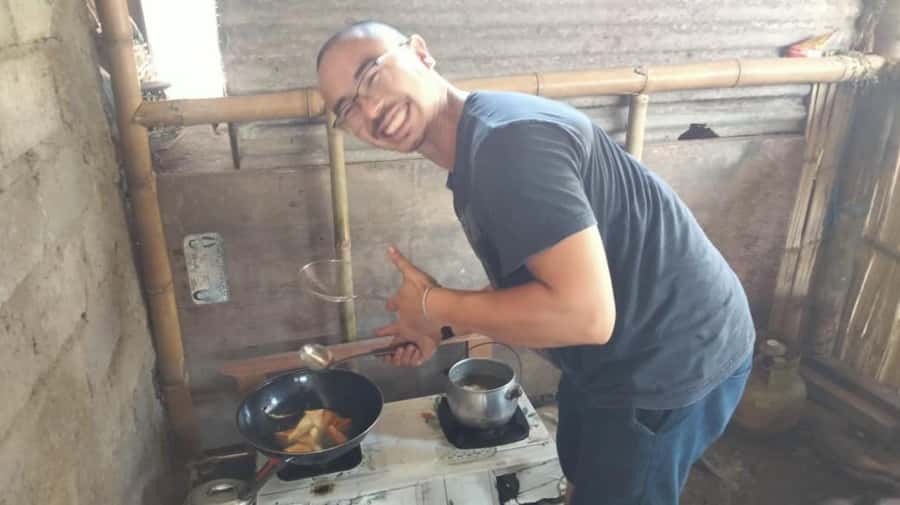
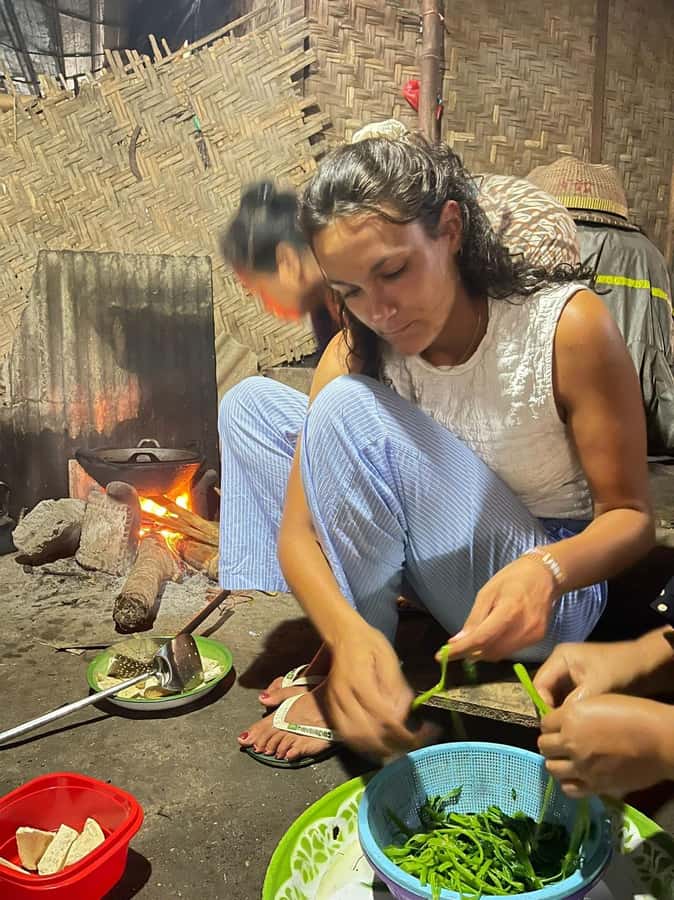
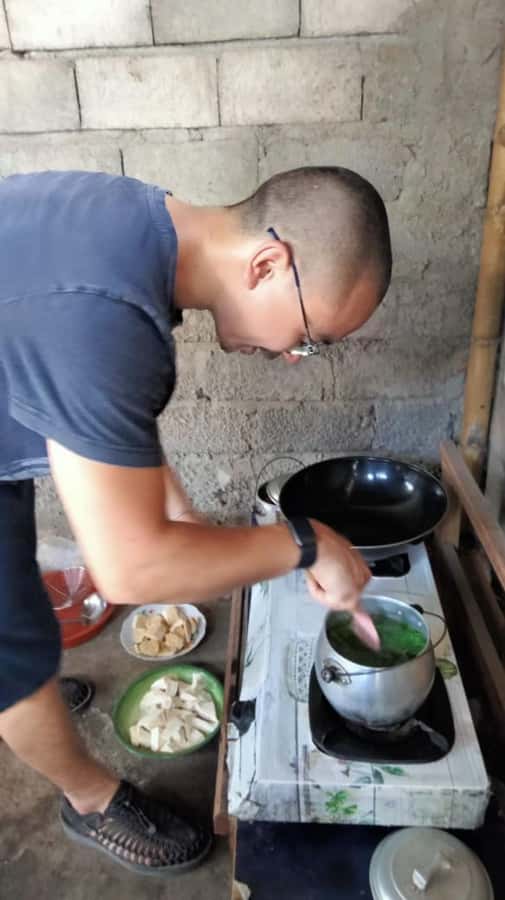
After the pottery portion, you’ll be taken to the kitchen area for the cooking part of the day. This is one of the most praised parts of the experience because it feels like participation, not just watching.
You cook alongside family members. Ingredients are described as fresh and local, and the food gets eaten in a warm shared atmosphere. Some people even mention eating with your hands, which adds a very grounded, non-touristy feeling to the meal.
You might notice a pattern here. The same hands that shaped your clay are now chopping, mixing, and putting together the dishes. That continuity makes the whole day feel cohesive.
There’s also mention of small food extras that can show up around the meal time, like village snacks, fruit tasting, or take-home items prepared specially for you. Those extras are not guaranteed in the official details, but the consistent theme is hospitality and generosity.
If you want vegetarian options, you can ask ahead. That matters because cooking is central to the experience, and it’s better when you can truly take part in the meal rather than just hovering with a drink.
Coffee, chatting, and the human side of Sasak life
Before you start crafting, the day often includes a chat and village-style snacks with coffee or tea. The point is not just comfort. It’s context.
You’ll get a sense of pottery history and village life through conversation with your host. In one story, the host is named Dein, and people describe him and his family as deeply welcoming. That kind of personal connection is what turns a class into an experience with memory attached.
The language situation can be simple and real. Some instructors might not speak English all the time, but communication still works through smiles, gestures, and laughter. You don’t need to be a fluent talker to enjoy the day.
If you like people more than processes, this portion will likely make you want to slow down and stay longer.
Price and value: what $21 gets you (and why it’s fair)
At $21 per person, the value comes from what’s included and how much access you get.
You get:
- A pottery workshop with local artisans
- Tools and materials for pottery making
- Guidance in English/Indonesian
- Shipping so your finished pottery can be taken home after it’s properly dried and fired
- A cultural day that also includes a meal you prepare
In other places, you might pay a similar amount for a quick studio session where you make one small piece and scramble to pack it before it’s even ready. Here, shipping is part of the solution, which saves your hands and your luggage space.
The main trade-off is time. You get about 2 hours on site, but the pottery itself needs more time off site for drying and firing. So the product takes a little longer to arrive, while the learning and village life happen right now.
Drying, firing, and shipping: how you take your pottery home
This is important. Your piece is not ready the moment your hands stop working the clay.
You’re told clearly that the pottery needs time for drying and firing, which takes around two days. That’s normal, and it’s part of why the workshop includes shipping.
In practice, people describe having their pottery packed carefully and delivered after a few days. That means you avoid the usual stress of trying to keep fragile ceramics safe during travel.
So if you’re planning a trip with limited space or you don’t want to worry about broken souvenirs, shipping is a big deal. It lets you focus on the day instead of planning your packing strategy around one fragile item.
What to wear, what to bring, and what to skip
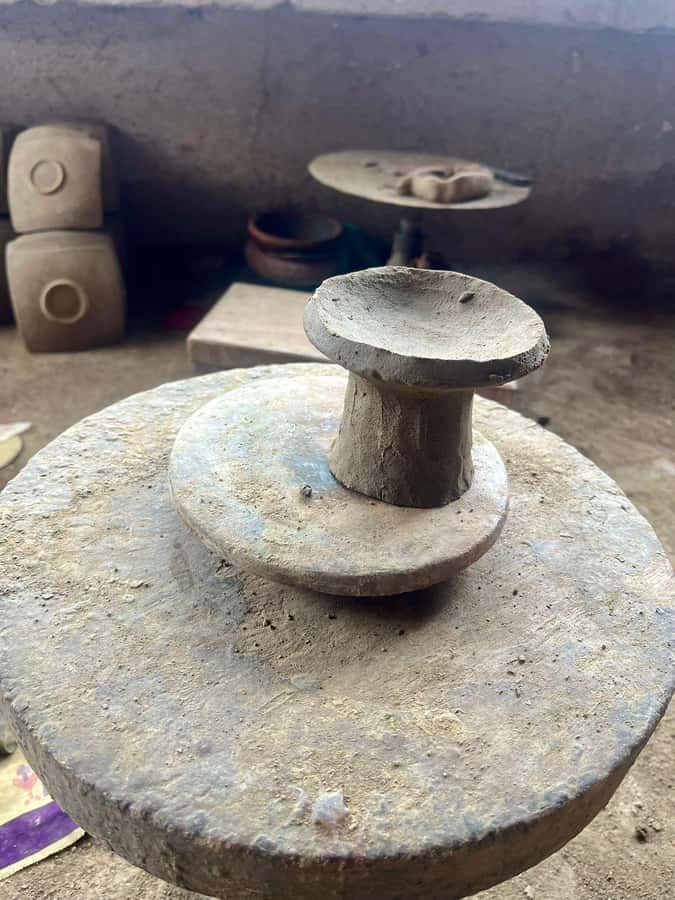
This is a hands-on class. Don’t show up in your best outfit.
Bring:
- Comfortable clothes
- Clothes that can get dirty
Wear something you’re happy to protect with an old shirt or pants. Clay can stain, and cooking can add splashes. This is the kind of day where you’ll remember what you wore because it will be a little different afterward.
Also note:
- Nudity is not allowed.
- The experience is listed as suitable for all ages with parental guidance, so families can go.
- If you’re planning a dive within 24 hours, this isn’t suitable for you.
Who should book this pottery and village life experience
You’ll probably love this if you:
- Want a hands-on craft activity with real local guidance
- Prefer cultural experiences where food is part of the day, not an add-on
- Enjoy meeting families and learning through conversation
- Want a take-home souvenir that feels earned, not bought
It’s also a good choice for teenagers who like practical tasks, because the activities are active and social. One review notes that teens enjoyed both the pottery and cooking side.
You might want to think twice if you:
- Need an immediate fired finished ceramic to take home that same day
- Hate messy hands and dirty clothing
- Have a strict schedule where a delayed arrival of the shipped pottery would mess up your plans
Quick tips so you get the most out of your 2 hours
- Arrive ready to work, not just to watch. Wear paint-friendly clothes.
- Plan to be present for the meal. This is part of the experience, and asking for vegetarian options ahead is smart if needed.
- Don’t overthink your skill level. The workshop is built for beginners.
- If English is your main language, you’re fine. Guidance is offered in English/Indonesian, and the cooking side still works through warmth and clear effort.
- Bring a calm attitude about timing. Drying and firing happen after, so your focus during the workshop is making, not waiting.
Should you book Lombok Traditional Pottery and Village life?
Yes, if you want a pottery experience with real village texture and a meal that feels tied to the craft. For the price, the mix of pottery-making, cooking, and shipping is strong, and the hospitality is clearly central to how the day runs.
Book it if you’re excited to make something with your hands, enjoy local food, and feel comfortable with a simple rural schedule where the pottery’s final stage happens after you leave.
Skip it or reconsider if you’re only looking for a quick souvenir purchase or if you need finished pottery in hand immediately. The trade-off here is simple: you get a fuller cultural day now, and you get the finished piece later through shipping.
FAQ
How long is the Lombok Traditional Pottery Experience?
The duration is 2 hours on site.
Where do I meet for the workshop?
You meet at Dawa Pottery Studio on dusun adong, across from an Alfamart alley. Look for a sign that says Dawa Pottery.
Is hotel pickup included?
No. Hotel pickup and drop-off are not included.
Can I take my pottery home?
Yes. Pottery shipping is included, so you can take it home after it is dried and fired.
Do I need any prior pottery experience?
No prior experience is required.
What should I bring and wear?
Wear comfortable clothes and bring clothes that can get dirty.
Is it suitable for vegetarians?
Vegetarian options are available upon request.
Is it wheelchair accessible?
The experience is listed as wheelchair accessible.
Just added around Indonesia
- Bali: 3-Day Private Gili Islands Snorkel Tour with Hotel★ 4.2 · 44 reviews
- Tanah Lot-Nung Nung Waterfall-Jatiluwih and Bedugul★ 4.7 · 16 reviews
- SURAKARTA (SOLO CITY) : CUSTOMIZED TOURS WITH CAR DRIVER★ 4.8 · 6 reviews
- Surf Lessons in Uluwatu for All Levels★ 4.9 · 15 reviews
- Surf Canggu: Lessons for Beginners & Pros in Bali★ 5.0 · 5 reviews
- SURFA BALI curated surf lesson + trip to spots (Beg. & Int.)★ 4.3 · 6 reviews
- From Malang/Surabaya: Mount Bromo Sunrise Ultimate (Shared)★ 4.3 · 51 reviews
- Surabaya: Tumpak Sewu Waterfall, Bromo and Ijen Shared Tour★ 4.4 · 14 reviews
Batik & Craft Workshops, compared.

Exclusive Tetebatu: Waterfall, Rice Fields, Monkey & Weaving
Read our review →Browse the lists this tour appears in